

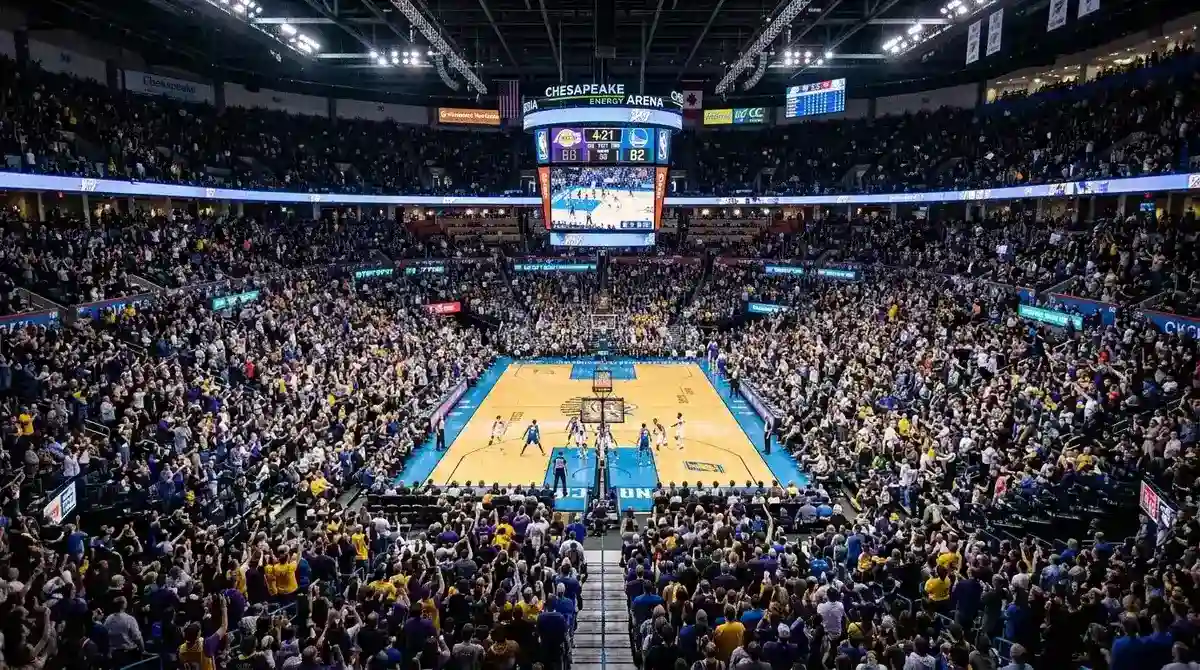
Live NBA betting UK markets have transformed how I approach basketball wagering. The shift started quietly – a few in-play options here, a live spread there – but now represents the dominant form of sports betting globally. In the American market alone, live betting accounts for over 62% of total handle, and UK punters have embraced it just as enthusiastically. The appeal is obvious: you watch the game unfold and bet based on what you actually see rather than what you predicted hours earlier.
The speed changes everything. Pre-game betting gives you hours to analyse, compare lines, and make deliberate decisions. Live betting compresses that process into seconds. Lines move after every possession. Windows of opportunity open and close before casual bettors notice they existed. This pace rewards preparation, pattern recognition, and the discipline to act decisively when edges appear.
I resisted live betting for years, convinced it was a trap designed to extract money from impulsive gamblers. I was partially right – it absolutely can serve that purpose. But I was also missing legitimate opportunities that only exist during games. Learning to distinguish between value and impulse took time, but the framework I developed has made live betting a consistent part of my profitable approach. What follows is that framework, adapted specifically for UK bettors navigating in-play NBA markets.
How Live NBA Betting Works
Online betting now constitutes 78.2% of global sports wagering, and live markets drive much of that volume. The mechanics are straightforward: once a game tips off, bookmakers offer continuously updated odds on spreads, totals, moneylines, and various prop markets. These odds shift in real-time based on the score, time remaining, and the bookmaker’s models of expected outcomes. Your job is to find moments when those models lag behind reality.
UK bookmakers typically suspend betting briefly during significant game events – a made basket, a foul call, a timeout. This suspension lets their algorithms recalculate odds before reopening markets. The suspension windows vary by bookmaker, with some pausing for seconds and others for longer. Understanding your bookmaker’s suspension patterns helps you anticipate when to place bets and when markets will be unavailable.
Latency creates challenges that do not exist in pre-game betting. The game you see on your screen happened seconds ago. The bookmaker’s feed might be faster or slower than your broadcast. This delay means you occasionally attempt bets on odds that have already moved. Most bookmakers handle this by rejecting bets placed on stale odds, though some offer the updated odds automatically. Know your platform’s policy before relying on split-second execution.
Live betting markets include everything available pre-game plus additional options specific to in-play action. Quarter spreads and totals, next team to score, next player to score, and various micro-markets appear only once the game begins. The variety expands your opportunities but also requires quick processing of unfamiliar bet types. I recommend focusing on a few live markets initially rather than trying to monitor everything simultaneously.
Bet placement speed matters differently than in pre-game betting. Missing a line by half a point is annoying pre-game but potentially devastating live, where lines might move two or three points within a minute. Most UK bookmakers offer quick bet features that let you place wagers with a single tap, bypassing standard confirmation screens. Enable these features for live betting, but be aware they also make impulsive betting easier.
The odds format remains decimal on UK platforms, making quick calculations feasible during games. A live spread at 1.91 represents the same value proposition as a pre-game spread at 1.91 – the timing differs but the maths does not. I keep a simple mental framework: anything below 1.90 needs strong conviction, anything above 2.00 warrants closer evaluation of potential value. This speeds decision-making when seconds count.
Live Spread Dynamics: How Lines Move During Games
The first quarter of a 2024 playoff game taught me more about live spread dynamics than any theoretical framework could. A team opened as 4-point favourites, fell behind 15-2 in the opening minutes, and suddenly became 6-point underdogs despite being the better team. The bookmaker’s model had overreacted to a shooting variance that regression would correct. By halftime, the original favourite led by eight. Anyone who bought them at +6 during that early deficit locked in tremendous value.
Live spreads reflect current game state plus expected remaining margin. If Team A leads Team B by 10 points at halftime, the live spread might be Team A -13.5 for the game – the current 10-point lead plus an expected additional 3.5-point margin based on pre-game assessments. Understanding this construction helps you evaluate whether the live number represents value or simply reflects the current score.
Early-game overreactions create the most consistent live betting opportunities. Bookmaker algorithms weight recent possessions heavily, meaning a 10-0 run moves the line more than it should. Basketball possessions have high variance – hot shooting streaks cool, defensive intensity fluctuates. If you believe the pre-game spread accurately reflected the teams’ relative strength, significant early deviations from that line often correct by game’s end.
Foul trouble affects live spreads in predictable ways that you can anticipate. When a team’s best player picks up his third foul early in the second quarter, he sits, and the spread moves against his team. But if that player typically contributes +8 points of value over replacement, a two-point spread movement might underestimate his return’s impact. Tracking which players are in foul trouble and projecting their return creates actionable edges.
Blowout compression happens reliably in the third and fourth quarters. A team leading by 25 might see the spread sit at -18.5 because bookmakers expect garbage time to compress the final margin. Betting the favourite in these situations rarely offers value – you are laying significant points on a team that has already mentally checked out. Conversely, backdoor covers by trailing teams happen frequently enough that large underdog spreads late in blowouts can carry positive expected value.
Timeout timing signals coaching intent that moves spreads. A timeout called during an opponent’s run suggests the coach is trying to stop momentum and refocus his team. A timeout with the lead often precedes running clock-killing plays that reduce scoring. These behavioural signals are not captured in algorithms, but they predict game flow in ways that create brief betting windows before the market adjusts.
Momentum Betting: Reading Runs and Swings
Momentum in basketball is both real and overrated. The crowd’s energy, players feeding off successful plays, defenders losing confidence – these factors exist and influence performance. But casual bettors overweight momentum consistently, creating value for those willing to bet against streaks. My approach involves identifying when perceived momentum diverges from underlying team quality.
The 12-0 run that swings a game feels unstoppable while it is happening. Commentary teams amplify the drama, crowds grow louder, and the trailing team calls timeout looking defeated. This is precisely when I start evaluating whether to back the team that just suffered the run. Their pre-game strength has not changed. They are likely to regress toward their mean performance. The bookmaker’s algorithm has adjusted the spread to reflect the run, potentially overcorrecting.
Not all runs are created equal. A 12-0 run built on unsustainable three-point shooting is more likely to regress than one built on layups and free throws. If the team on the run is shooting 80% from three during that stretch, they will cool off. If they are getting to the rim at will because the opponent’s rim protector is in foul trouble, the advantage might persist. Diagnose the cause of the run before betting on or against its continuation.
Player substitution patterns interrupt momentum in predictable ways. When a team’s best lineup comes back in after a rest period, they typically stabilise the game even if they were trailing during the bench unit’s minutes. I track lineup changes and bet anticipating that quality players will restore expected performance levels. The market adjusts to score, not to who is currently on the floor.
Third-quarter collapses have become a recognised NBA phenomenon. Teams that led at halftime sometimes come out flat, surrender leads, and create panic about their chances. The panic is usually overdone. Home teams especially tend to respond in the fourth quarter, and a team that led wire-to-wire in the first half rarely transforms into a different team overnight. Third-quarter swings offer some of the best live betting value when the market overreacts to temporary lapses.
Defensive intensity wanes during long scoring droughts more reliably than offensive rhythm. A team that cannot buy a bucket for three minutes starts gambling on defence, creating easy opportunities for the opponent. When I see extended offensive struggles, I consider live totals overs – both teams’ defences tend to soften as the struggling team presses and the leading team relaxes. This effect compounds when both teams are shooting poorly.
Quarter and Half Spread Markets
Quarter and half markets let you bet on game segments rather than full outcomes, creating opportunities when you have conviction about specific phases but not the entire game. The UK online betting sector generated £7.8 billion in gross gambling yield last year, and segment betting contributes meaningfully to that figure. These markets attract sophisticated bettors who think in terms of matchups and adjustments rather than just final scores.
First-quarter spreads often reflect starting lineup matchups more than full-game spreads do. If you believe a team’s starters are significantly better than the opponent’s but their bench is a liability, first-quarter betting isolates the advantage you want to back. Conversely, teams with deep benches might underperform in first quarters before their depth creates advantages as starters accumulate fouls and fatigue.
Second-half spreads incorporate everything that happened in the first half, including halftime adjustments. A team that looked lost early might return with a revised game plan that neutralises the opponent’s initial success. Historically, some coaches make excellent halftime adjustments while others stubbornly stick with failing approaches. Knowing these tendencies helps evaluate second-half lines after watching the first half unfold.
Individual quarter betting carries higher variance than half or full-game betting. A single quarter offers roughly 25 possessions per team, meaning a few lucky or unlucky possessions heavily influence the outcome. I approach quarter betting selectively, typically only engaging when I have strong conviction about a specific quarter’s dynamics – fourth-quarter motivation in close games, third-quarter intensity patterns for specific teams.
The relationship between segment spreads and full-game spreads occasionally creates arbitrage-adjacent opportunities. If the first-half spread and second-half spread do not sum to the full-game spread plus a reasonable adjustment factor, one of the numbers is likely mispriced. This happens more frequently during live betting when different algorithmic processes update segment lines at varying speeds.
Fourth-quarter markets attract action from bettors who have watched the game and believe they understand the current situation. This concentration of supposedly informed money does not necessarily improve market efficiency – it can actually create consensus errors when everyone watching draws the same obvious conclusion. I sometimes fade heavy fourth-quarter public action, betting against what the crowd of watchers thinks will happen.
Micro-Betting: Next Basket, Next Free Throw
Micro-betting breaks games into their smallest components – the next possession, the next free throw, the next team to score. Mobile betting now accounts for 84% of all sports wagers globally, and micro-betting exists largely because smartphone interfaces make rapid wagering possible. These markets feel like gambling more than analysis, but edges exist for those willing to think quickly about contextual factors.
Next-team-to-score markets reward attention to game flow. After a timeout, the team that called it typically executes a designed play with higher efficiency than a random possession. Following a made free throw, the team inbounding faces less defensive pressure than after a missed shot that triggers a transition opportunity. These contextual factors repeat hundreds of times per game, and the market cannot price each one perfectly.
Free-throw micro-bets involve virtually pure skill assessment. Will this player make his next free throw? Career free-throw percentage provides a baseline, but recent form, game situation pressure, and fatigue all matter. Betting against poor free-throw shooters at the line late in close games is a simple edge that requires no sophisticated analysis – the pressure amplifies their existing weakness.
The variance in micro-betting is extreme by design. Any single micro-bet is essentially a coin flip with slightly adjusted probabilities. Profitability requires either identifying consistent market errors or accepting that you are engaging primarily for entertainment rather than edge. I treat micro-betting as entertainment spending, keeping stakes minimal and expectations modest.
Speed advantages matter more for micro-betting than any other market. If you can process what is happening faster than the bookmaker’s feed updates, you have information edge. This rarely happens for typical bettors – bookmakers invest heavily in low-latency feeds – but in specific situations where context matters more than raw score, attentive viewers can occasionally spot value before algorithms incorporate it.
Cash Out Decisions: When to Lock In Profit
The cash out button tempts every live bettor. Your pre-game wager is winning, the bookmaker offers to settle early at reduced profit, and you face the choice between guaranteed money now or potential full payout later. I have made this decision thousands of times, and my framework has evolved considerably from my early instincts.
Most cash out offers favour the bookmaker mathematically. They would not offer the feature otherwise. The offered amount typically reflects the current probability of your bet winning minus a margin that compensates the bookmaker for taking back the risk. When you cash out, you are selling your position at below-market value. Understanding this does not mean you should never cash out, but it should inform when the feature makes sense.
Cash out becomes rational when your assessment of win probability has changed significantly from the bookmaker’s implied probability. If you bet a team at +6 and they now lead by 3 with two minutes remaining, the cash out offer reflects high win probability. But if their best player just left with an injury that the cash out calculation might not fully incorporate, your private information suggests worse odds than the offer implies. In that case, take the money.
Partial cash out options let you lock in some profit while leaving a portion of your bet active. This middle ground appeals psychologically but often produces worse expected value than committing fully to one choice. If cashing out is correct, cash out completely. If letting the bet ride is correct, do not cash out at all. The partial option usually represents emotional hedging rather than strategic optimisation.
I track my cash out decisions to evaluate whether I am using the feature profitably. Over 200 cash out opportunities, my results were clear: the bets I cashed out would have won at approximately the rate the cash out pricing implied. I was not finding edge by taking early settlements. This does not mean cash out is always wrong, but it suggests treating the feature as a convenience rather than a strategy.
Bankroll considerations sometimes override pure expected value calculations. If a winning bet represents a significant portion of your bankroll and losing it would materially affect your ability to continue betting, cashing out to secure meaningful profit can be the right play even if the expected value of letting it ride is slightly higher. Survival matters. You cannot exploit future edges if variance wipes you out today.
Accessing NBA Live Streams in the UK
Live betting without watching the game is possible but significantly less effective. You miss contextual information that numbers cannot capture – energy levels, defensive intensity, whether a shooter’s misses are rimming out or airballing. For UK bettors, accessing reliable NBA streams requires understanding the options available in our market.
League Pass remains the official NBA streaming product, offering every game with minimal delay. The subscription cost is substantial but provides the lowest latency feeds available to consumers. For serious live bettors, the investment often pays for itself through improved decision-making. The delay between game action and your screen is typically two to five seconds, which matters for micro-betting but is acceptable for spread and totals wagering.
Some UK bookmakers offer live streaming of NBA games directly within their platforms for customers with funded accounts or recent betting activity. The quality varies, and the delay is often longer than League Pass, but the convenience of watching and betting on the same screen has practical value. Check your bookmaker’s streaming offerings before assuming you need a separate subscription.
The contrast between legal and illegal markets extends to streaming access. As one major operator noted after a betting scandal, the stark difference between licensed and unlicensed environments affects every aspect of the betting experience. Legal streams come with reliable quality and known delays. Unlicensed alternatives carry risks including malware, unpredictable availability, and variable latency that can actively hurt your betting if you believe you are seeing events faster than you actually are.
Time zone considerations shape which games UK bettors can realistically watch live. Early NBA games tip off around 11 PM UK time, with late games starting at 3 AM or later. I focus my live betting on the early slate when possible, treating late games as pre-game only unless I have specific reason to stay up. Fatigue impairs decision-making, and live betting requires sharp judgment.
Audio commentary provides valuable information even when you cannot watch closely. Play-by-play announcers describe foul trouble, injury concerns, and momentum shifts as they happen. I sometimes run games on audio while doing other tasks, listening for situations that warrant visual attention and potential betting action. This approach is less effective than full viewing but better than betting blind on score updates alone.
Discipline in Live Betting: Avoiding Emotional Decisions
Live betting amplifies every psychological weakness that affects pre-game betting. The speed prevents deliberation. The visibility of real-time results triggers emotional responses. The constant availability of action enables chasing losses within a single game. I have watched disciplined bettors transform into impulsive gamblers the moment they opened live markets. The environment demands explicit safeguards.
Pre-commitment rules save you from in-game impulses. Before any game, I decide my maximum live betting exposure and the specific situations where I will consider acting. A rule like “I will only bet live if the spread moves more than 4 points from the opener” creates a filter that most game states fail to pass. Without such rules, every possession feels like an opportunity, and most of those perceived opportunities are actually traps.
The desire to hedge or double down on existing bets produces most live betting mistakes. You backed a team pre-game, they fall behind early, and you want to bet them again at improved odds. Or they jump ahead and you want to lock in profit by betting the opponent. Both impulses often lead to overexposure on the same game. I treat each live bet as independent, not as an adjustment to earlier positions.
Taking breaks during games interrupts the continuous engagement that makes live betting dangerous. I watch quarter breaks and halftime as mandatory pauses for assessment rather than just entertainment. Stepping away for five minutes clears the emotional residue of recent possessions and allows rational evaluation of whether any actual edge exists or whether I am just looking for action.
Tracking live bets separately from pre-game bets reveals whether the activity is actually profitable. Many bettors who profit on pre-game selections lose those gains through live betting, essentially paying for entertainment while believing they are investing. If your live betting record is significantly worse than your pre-game record over meaningful samples, the market might be telling you something about where your edge actually exists.
Accepting that passing is often the best play requires ego management. Watching a game without betting feels like a missed opportunity, especially when you correctly anticipated a line movement you did not act on. But every bet carries risk, and the discipline to decline marginal situations compounds over time. The best live bettors I know bet less frequently than their knowledge would seem to warrant.
Live Betting FAQs
Mastering the Live Betting Edge
Live NBA betting rewards those who combine basketball knowledge with emotional discipline and rapid decision-making. The edges are real but narrow, and the environment actively works against careful analysis. Success requires explicit rules, pre-game preparation, and honest assessment of whether you are finding value or simply feeding entertainment impulses.
Start with observation before action. Watch several games with live betting markets open but no intention of wagering. Note how lines move, when they overreact, and what patterns repeat. This investment of time without financial risk builds intuition that serves you when real money is at stake. The games will still be there when you are ready to engage.
Live betting integrates with broader strategy rather than replacing it. The mechanics of spread betting apply equally to live spreads, adjusted for the compressed timeframe and increased variance. Build your foundation with pre-game betting, add live markets selectively, and track results rigorously. The bettors who profit long-term treat live betting as a tool rather than a default mode.
Articles
Published by the pointbetbasketball.com team.
