

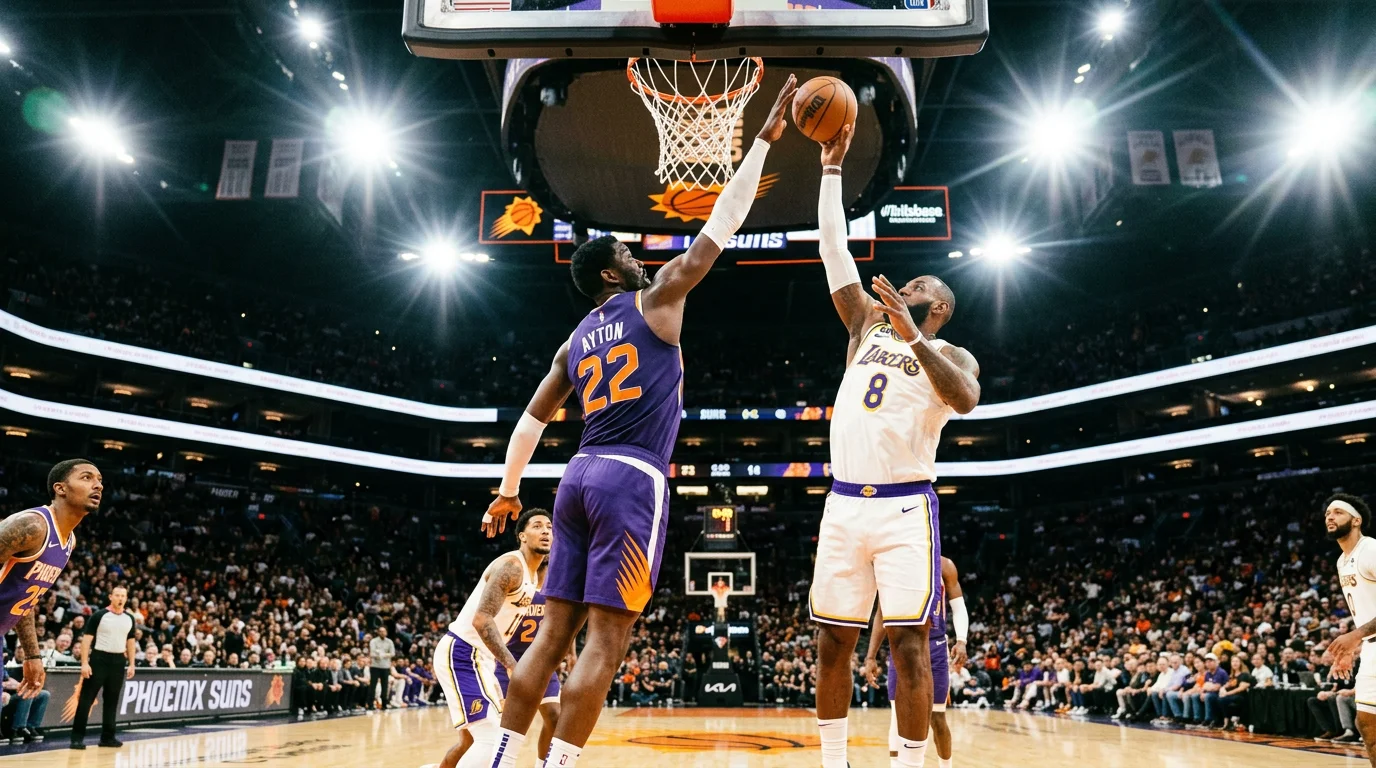
I once bet a blocks over that seemed certain – a dominant rim protector facing a team that attacked the paint relentlessly. He finished with zero blocks. Not one. The opponent adjusted mid-game to avoid him entirely, taking floaters and mid-range shots instead of challenging at the rim. That humbling loss taught me something crucial about defensive props: they are not about the defender alone, but about how opponents choose to attack.
NBA player steals and blocks betting targets the defensive side of basketball – statistics that receive less casual attention than points or assists but offer genuine betting opportunities. These markets carry higher variance than offensive props, which creates both danger and value. Understanding why defensive stats fluctuate so dramatically is essential before placing money on them.
UK bookmakers offer steals and blocks props on most NBA games, typically for starters and key rotation players. The lines are usually set at low numbers – 1.5 steals, 1.5 blocks – reflecting the reality that these events are relatively rare compared to scoring. That low-number structure means every single defensive play significantly impacts your bet’s outcome.
Understanding Steals Markets
Steals require a specific combination of skill, positioning, and opponent behaviour. A player cannot simply will himself to more steals the way a scorer can demand more shots. The opportunity must present itself, and then the defender must execute.
Elite steal producers share certain characteristics. Quick hands, anticipation, willingness to gamble in passing lanes, and recovery speed when gambles fail. Players like guards who pressure ball handlers or wings who lurk in passing lanes accumulate steals consistently. But even the league’s best rarely average more than two steals per game – the opportunities are simply limited.
Opponent turnover tendencies matter enormously. Teams that protect the ball well – low turnover rates, deliberate half-court offence – generate fewer steal opportunities regardless of the defensive talent facing them. A prolific steal artist facing a careful, methodical opponent might see fewer chances than usual. Checking opponent turnover rates contextualises individual steal lines.
Pace affects steal opportunities indirectly. More possessions mean more passing, more ball-handling, more transitions – all situations where steals can occur. Fast-paced games typically produce more total steals league-wide. But individual allocation of those steals remains unpredictable. The team’s best defender might get them, or they might scatter randomly across the roster.
Oklahoma City Thunder posted the league’s best home court performance rating at +7.0 points over recent seasons. Their defensive intensity at home – including steal production – exemplifies how environment affects these counting stats. Home teams often generate more steals as crowds energise defensive effort and road teams feel pressure handling the ball.
Understanding Blocks Markets
Blocks are even more volatile than steals because they depend on opponents choosing to challenge at the rim. A dominant shot-blocker can be completely neutralised if opponents simply avoid his area.
Rim protection reputation affects opportunity. When a team knows an elite rim protector awaits, they adjust shot selection. More mid-range attempts, more three-pointers, more floaters in the lane – anything to avoid the contest at the rim. This adjustment can suppress blocks totals for the best blockers precisely because they are so threatening.
The Boston Celtics and Denver Nuggets maintained 79% home win percentages recently, often through dominant defence that included rim protection. But their individual block totals varied wildly game to game based on opponent approach. A team that refused to challenge at the rim could hold their centre to zero blocks despite his presence altering every possession.
Position matters for block distribution. Centres and power forwards accumulate the majority of blocks league-wide. Guards occasionally produce blocks, but betting overs on guard block props is generally inadvisable – the sample size is too small and variance too high. Focus block betting on players whose positioning naturally creates shot-blocking opportunities.
Foul trouble suppresses blocks. A player with four fouls in the third quarter plays more cautiously, contesting shots without leaving his feet to avoid the fifth foul. This conservative approach reduces block opportunities even when the player remains on the court. Checking foul situations before betting blocks props – particularly for live betting – helps avoid this trap.
The Variance Challenge in Defensive Props
Defensive statistics are inherently more variable than offensive statistics. A scorer can demand the ball and create his own opportunities. A defender must wait for opponents to make mistakes or challenge him in his area of strength.
Sample size amplifies variance problems. A player averaging 1.8 blocks per game might post 0, 0, 4, 3, 2, 0, 1 across a week – tremendous swings around that 1.8 average. The small numbers involved mean single events dramatically change outcomes. One more or fewer block completely flips a 1.5 line result.
This variance cuts both ways for bettors. Unders feel safe because hitting zero or one of a defensive stat happens frequently. Overs feel risky because even prolific defenders have blank games regularly. But the market knows this too, which is why lines are set low and odds are priced accordingly.
I approach defensive props differently than offensive props. Rather than seeking consistent performers, I look for specific game contexts that elevate defensive opportunity – facing turnover-prone opponents for steals, facing paint-attacking teams for blocks. The matchup matters more than the player’s season average for these highly variable markets.
Matchup-Based Approach to Defensive Props
After years of losing on defensive props by betting player averages, I shifted to pure matchup analysis. The approach improved my results meaningfully.
For steals, I identify games where turnover-prone ball handlers face aggressive on-ball defenders. Point guards with high turnover rates facing physical, quick-handed defenders create elevated steal opportunities. The specific matchup – not the defender’s season average – determines my interest level.
For blocks, I target games where paint-attacking teams face rim protectors they cannot avoid. Some teams lack floor spacing and must score inside. When these teams face elite shot-blockers, they cannot simply adjust away – they have no alternative. These forced confrontations produce blocking opportunities that more versatile opponents would avoid.
Team pace enters my analysis for both categories. High-pace games increase total defensive opportunities league-wide. If both teams rank in the top ten for pace, the game will feature more possessions, more shot attempts, and more chances for defensive plays. Low-pace defensive battles suppress these counting stats for everyone involved.
Recent defensive performance helps but does not determine my bets. A player coming off a three-steal game might regress. A player with zero blocks in three straight might be due for a positive regression when facing the right opponent. I use recent results to check if something has changed – injury, role adjustment, rotation change – rather than to project future performance directly.
For context on how defensive props fit within broader NBA betting, the point spread betting guide explains how team defence affects game outcomes and creates the context where individual defensive plays occur.
Articles
Published by the pointbetbasketball.com team.
